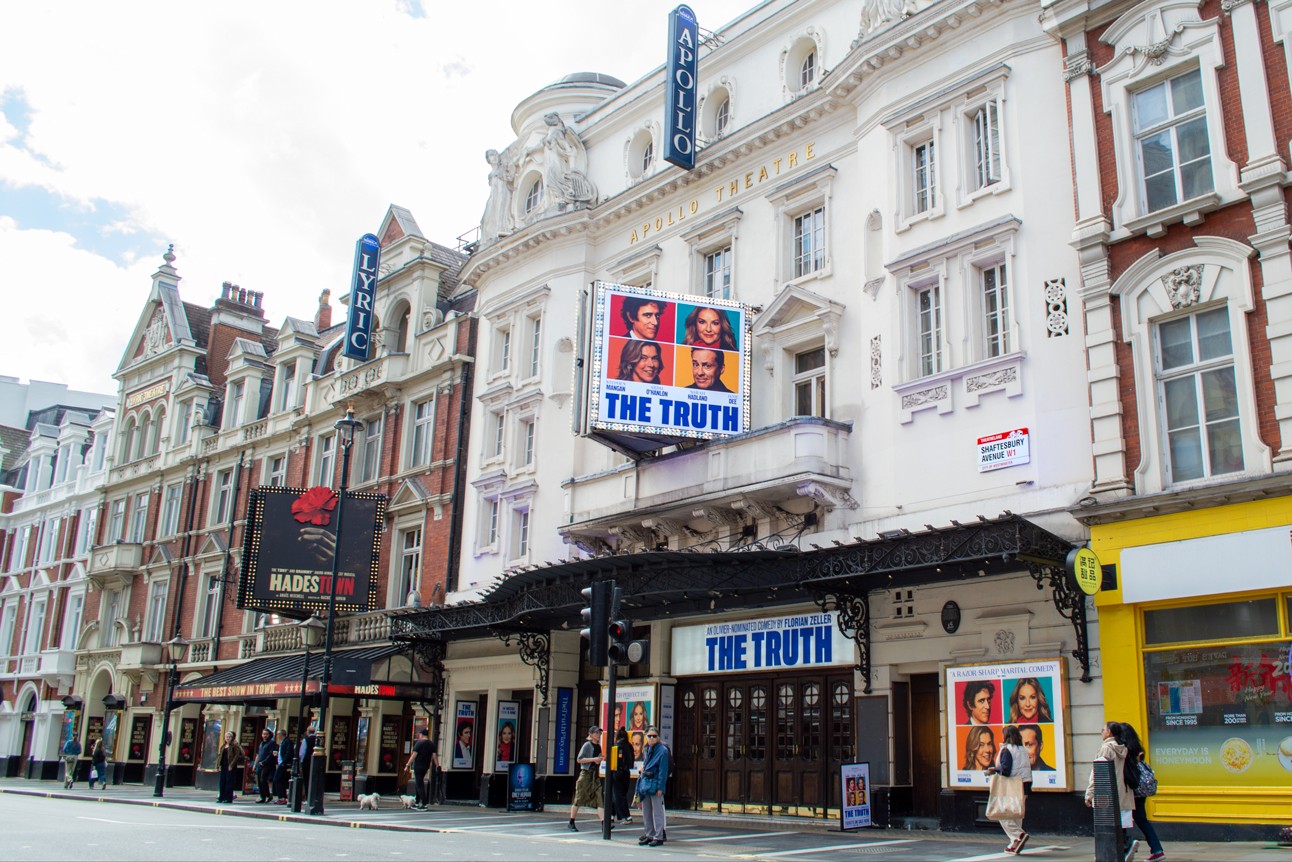
Apollo Theatre
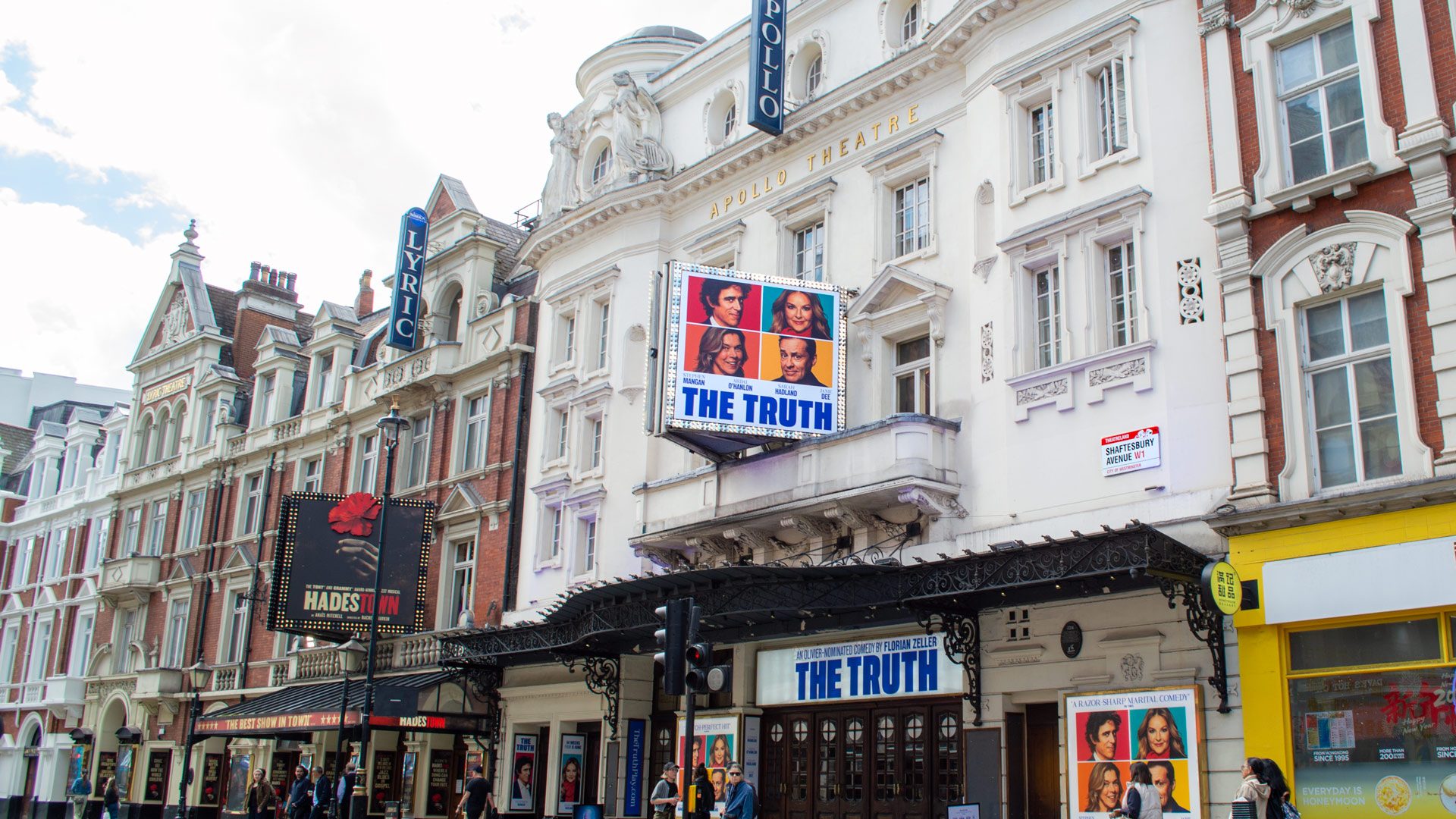
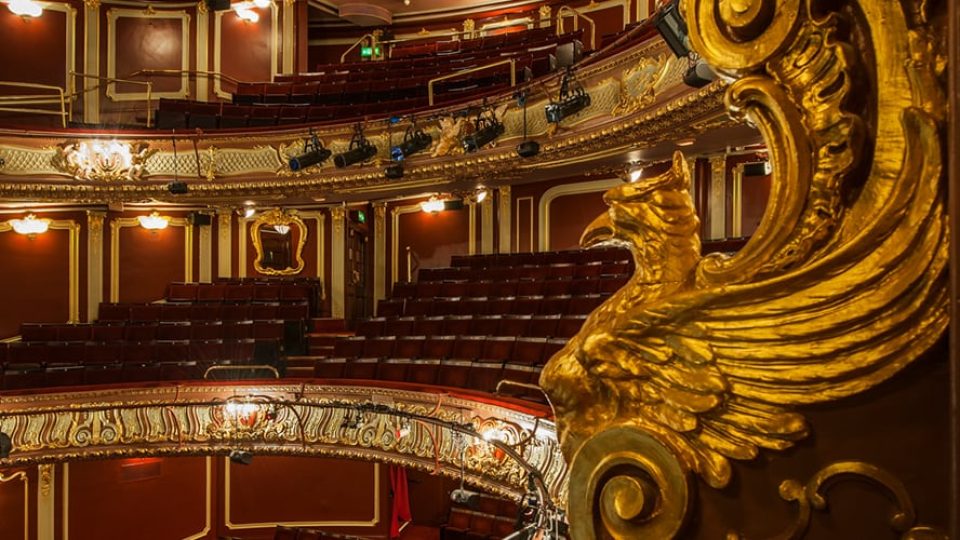
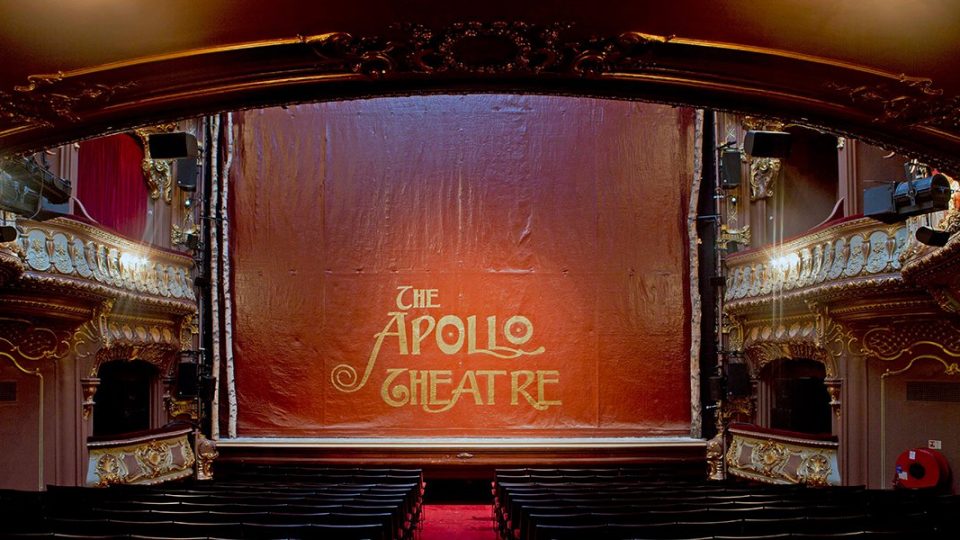
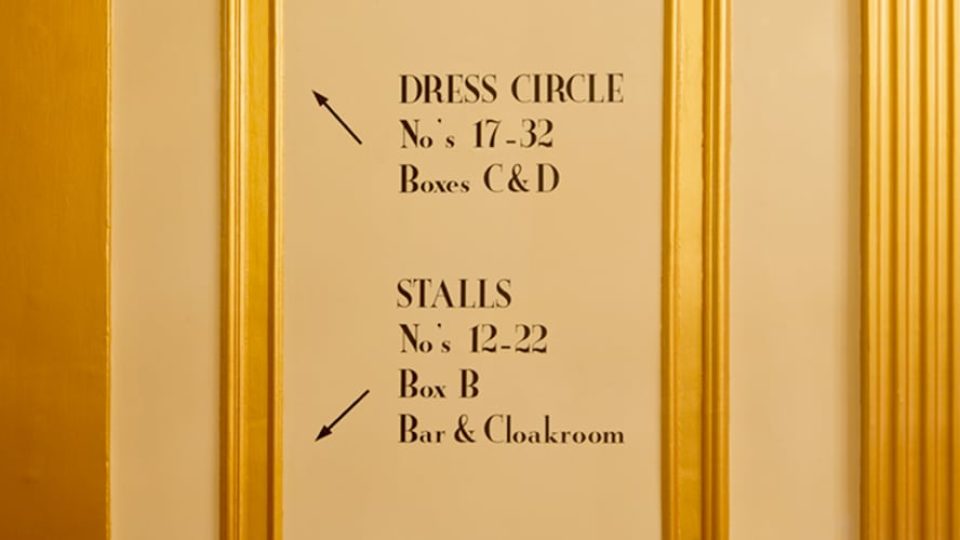
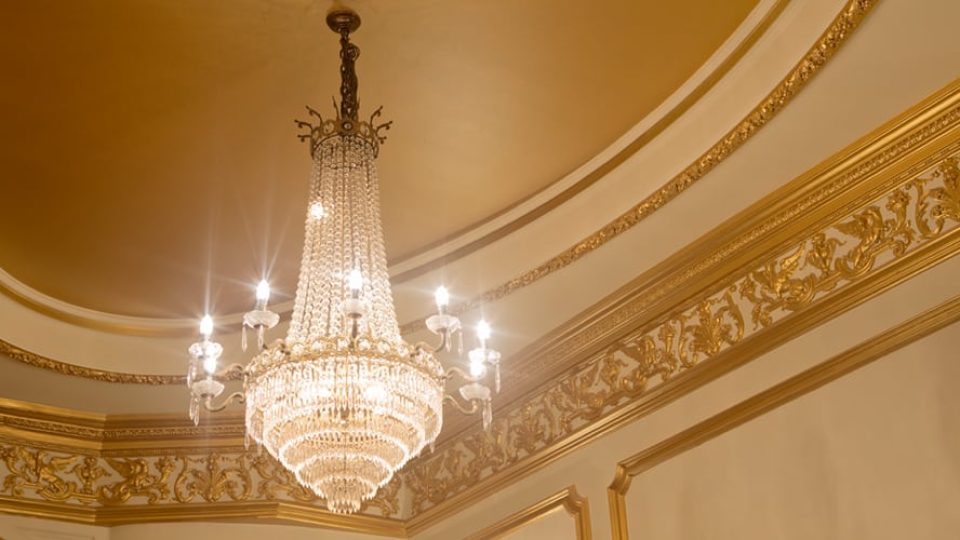
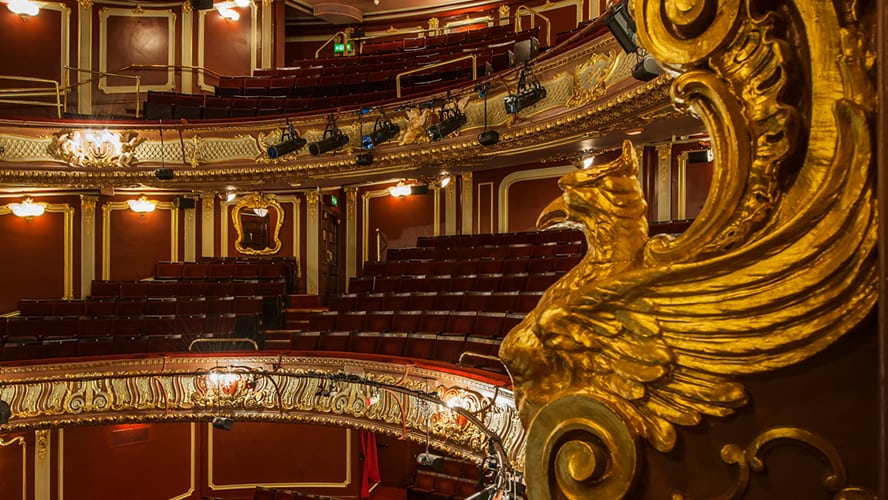
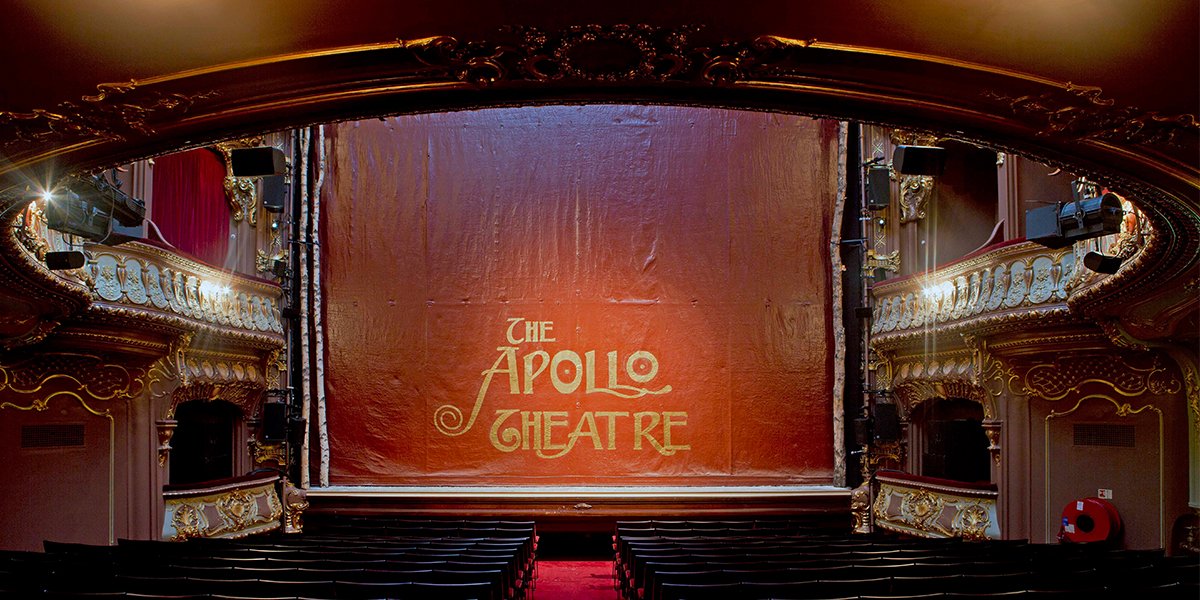
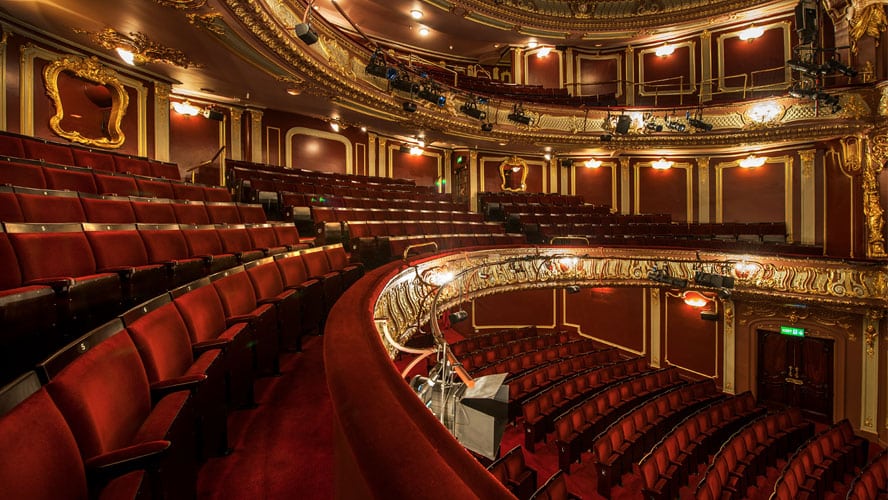
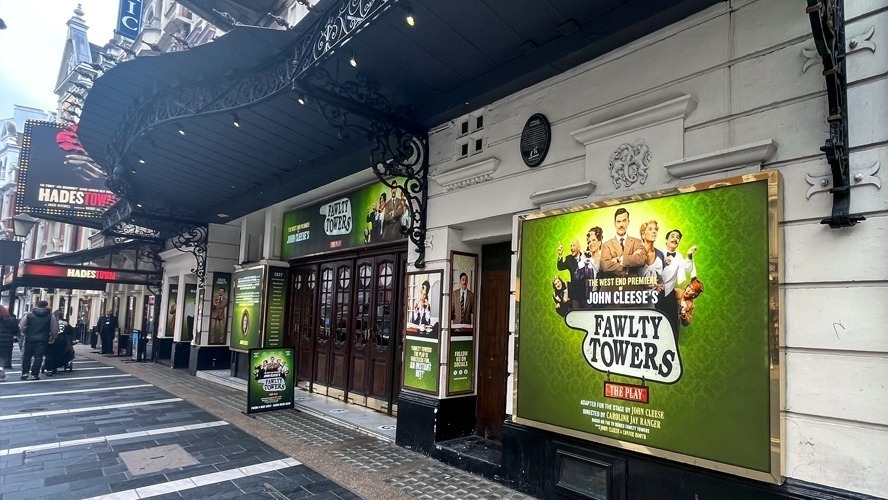
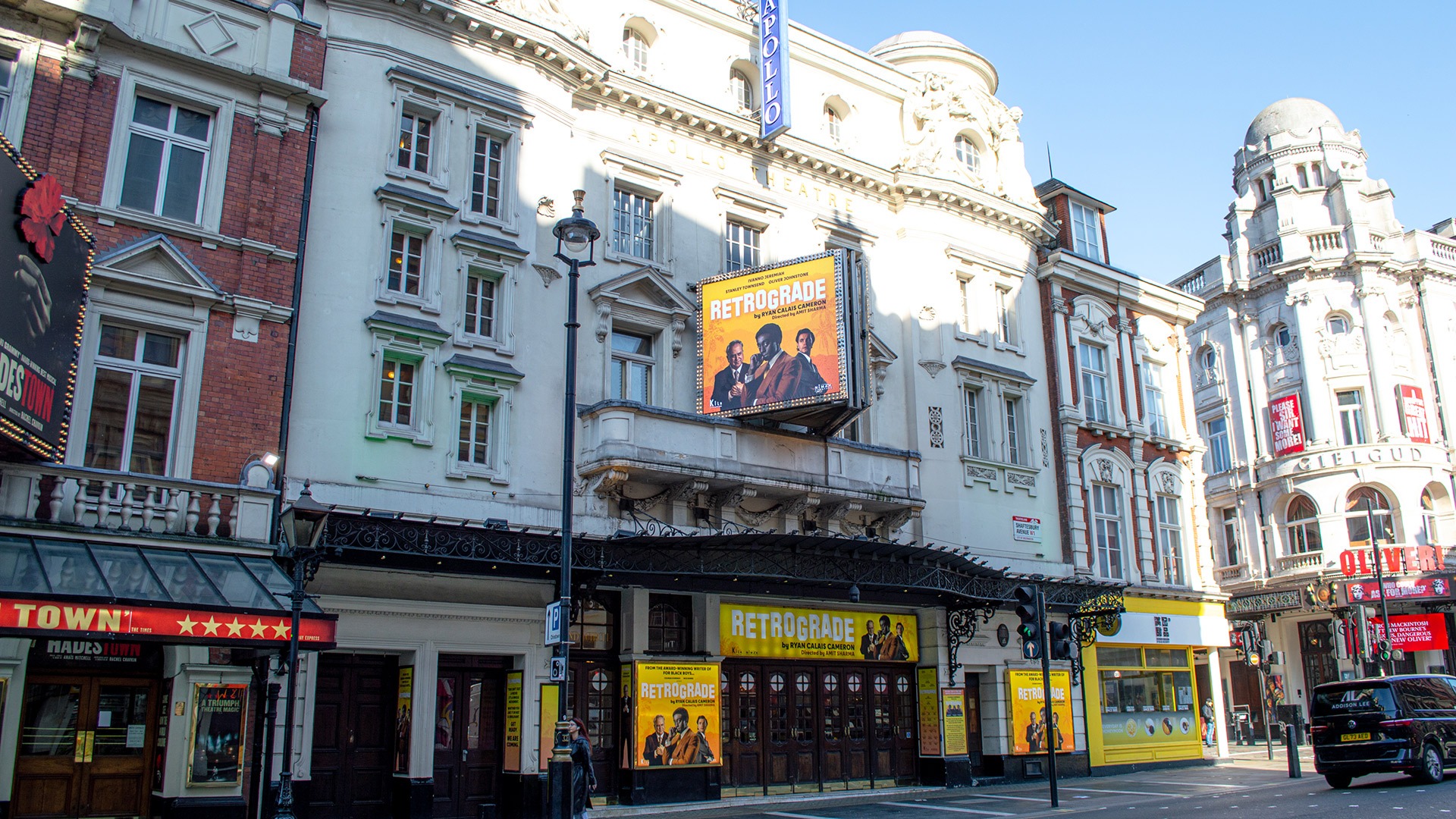
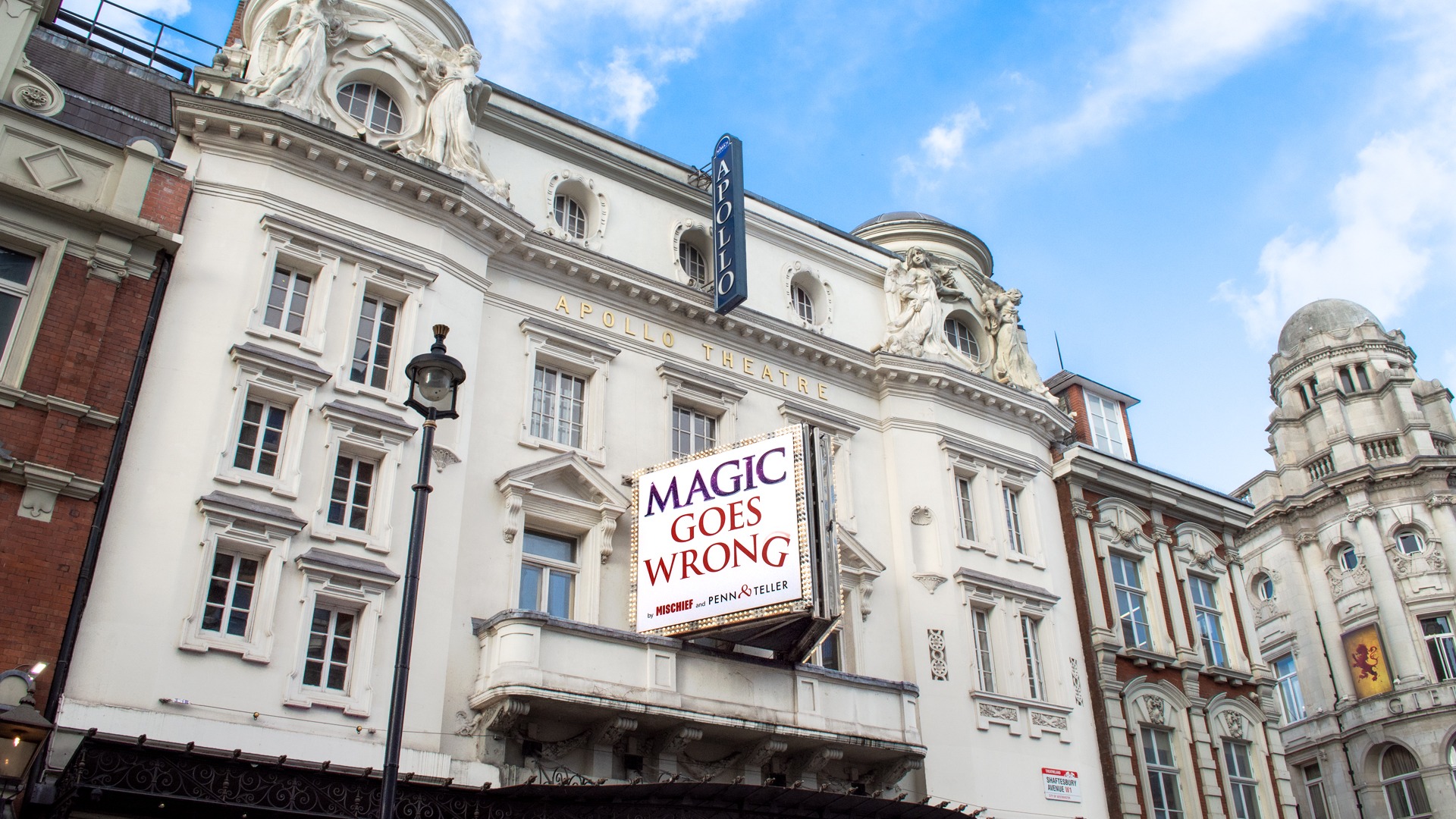
The Apollo Theatre is known for hosting acclaimed plays and musicals and is located on the iconic Shaftesbury Avenue, in the heart of London’s West End. It is a Grade II listed building and has a seating capacity of 827.
Located on Shaftesbury Avenue in London’s West End, the Apollo Theatre is a well-known venue with a long history of presenting major plays and musicals. You can plan your visit with practical information on how to get here, access support, and places to eat and drink in the area, and book official tickets through the official Box Office.
The Apollo Theatre is located on Shaftesbury Avenue, close to Piccadilly Circus in London’s West End. Below you can find information on geting to the theatre and a map showing the location of the venue.
- Piccadilly Circus (Bakerloo and Piccadilly lines)
- Leicester Square (Northern and Piccadilly lines)
The Apollo is well served by bus routes –
see which buses stop nearby.
The closest mainline station is Charing Cross.
- JustPark at Trafalgar Square
- NCP Brewer Street
- Titan Leicester Square
The Theatre and bars open approximately one hour pre-show, whilst the auditorium opens approximately 45 minutes pre show.
There are a number of places to dine in the immediate vicinity of the Apollo Theatre. A few options are listed below for you to consider before or after your performance:
Eat Tokyo,
16 Old Compton St,
London W1D 4TL
An intimate eatery with no-frills decor serving authentic Japanese favourites including sushi, sashimi, and bento boxes.
Fat Hippo,
68-70 Wardour St,
London W1F 0TB
Born in Newcastle, independent burger restaurant Fat Hippo has opened in Soho. Enjoy signature beef burgers, boneless buttermilk chicken patties and hand cut dirty fries.
Maoz,
43 Old Compton St,
London W1D 6HG
Maoz serves delicious and affordable Middle Eastern food in the heart of Soho. Indulge in the best falafel, fresh salads, small tapas-style plates, and Middle Eastern flavours.
Old Compton Brasserie,
36-38 Old Compton St, London, W1D 4TT
An all-day brasserie in the heart of Soho, committed to bringing to the neighbourhood great food, wine, beer and award-winning cocktails.
Plum Valley,
20 Gerrard St,
London W1D 6JQ
Plum Valley is a family-run restaurant, whose London Chinatown establishment has been passed down from one generation to another since the 1980s. Serving authentic Chinese food and freshly made Dim Sum all day.
SpudBros Express,
9a Archer St,
London W1D 7AX
Starting as a hot potato cart at the Preston Flag Market in 1955, Spud Bros takes baked potatoes to the next level! With golden, fluffy spuds loaded with mouth-watering toppings like rich cheese, hearty beans, and creamy butter, every bite is comfort food at its best.
The Palomar,
34 Rupert St,
London W1D 6DN
The Palomar is a Soho restaurant in the heart of Theatreland, serving the food of modern day Jerusalem. The menu is influenced by the rich cultures of Southern Spain, North Africa and the Levant.
Speedboat Bar,
30 Rupert St,
London W1D 6DL
Speedboat Bar will transport you to the bustling late-night canteens of Bangkok’s own Chinatown. Serving aromatic curries, stir fries, drunken noodles and zingy seafood salads, it is a late night destination open until 1am on Fridays and Saturdays.
Please note that food and drink details are provided for information only and do not constitute a recommendation from Nimax Theatres.
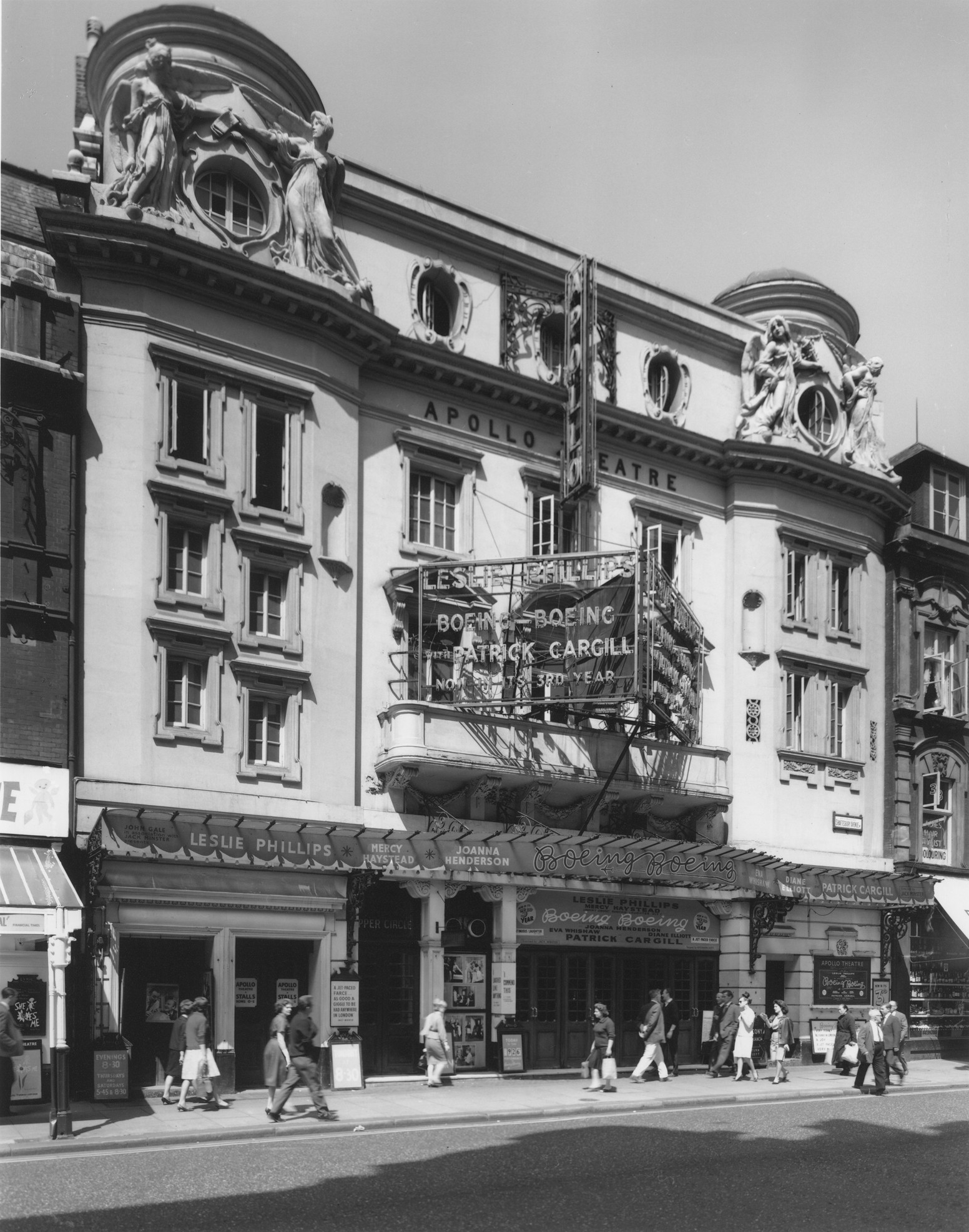
The Apollo Theatre first opened its doors on 21 February 1901, making it the first theatre to be built in London during the Edwardian era. The only complete theatre design of architect Lewin Sharp, this Grade II listed building showcases a blend of Edwardian grandeur and artistic heritage. It was named after Apollo, the Greek god of the arts.
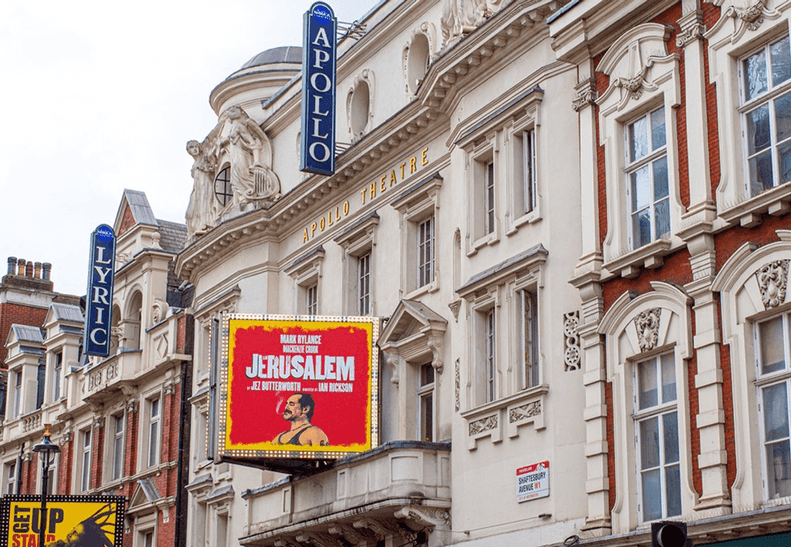
Originally built for musical entertainment, it debuted with the American musical comedy The Belle of Bohemia. It has since showcased a broad range of critically acclaimed productions including award-winning plays, musicals, dramas and comedies. Over the years, it has staged notable productions, including Rain Man, Jerusalem starring Mark Rylance, The Curious Incident of the Dog in the Night-Time, and the West End premiere of the award-winning Everybody’s Talking About Jamie.
A scene in Harry Potter and the Deathly Hallows Part I was shot around the corner from the Apollo.
In 2005, the Apollo Theatre was acquired by Nica Burns and Max Weitzenhoffer, becoming part of the Nimax Theatres group.